
Project Milestones
As Muspell advances, new results, milestones, and findings will be added here, offering insight into how the project is evolving.
MATERIAL RESEARCH
We are developing innovative and environmentally friendly sorption thermochemical materials (TCMs) for next-generation thermal energy storage. The milestones below present ongoing research activities, material developments, and performance evaluations aimed at achieving higher energy storage density and improved cycling stability for mid-high temperature applications.


1. Metal-Organic Frameworks (MOFs)
Metal–Organic Frameworks (MOFs) are porous crystalline materials built from metal-containing nodes and organic linkers. Their structures contain large internal cavities, making them well suited for adsorption-based heat storage.
By varying their building blocks, MOFs can be designed to adsorb water even at temperatures around 100 °C. Susumu Kitagawa, Richard Robson, and Omar Yaghi were awarded the Nobel Prize in Chemistry in 2025 for the development of this class of materials.
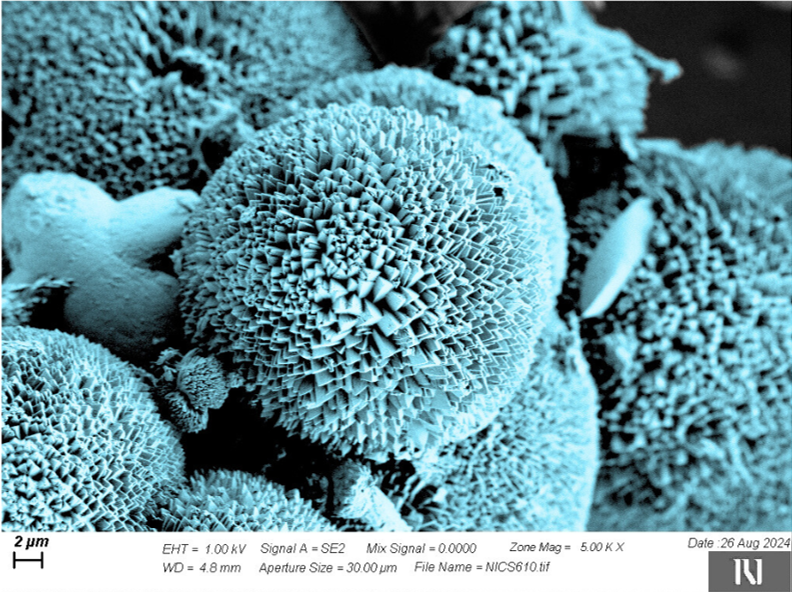
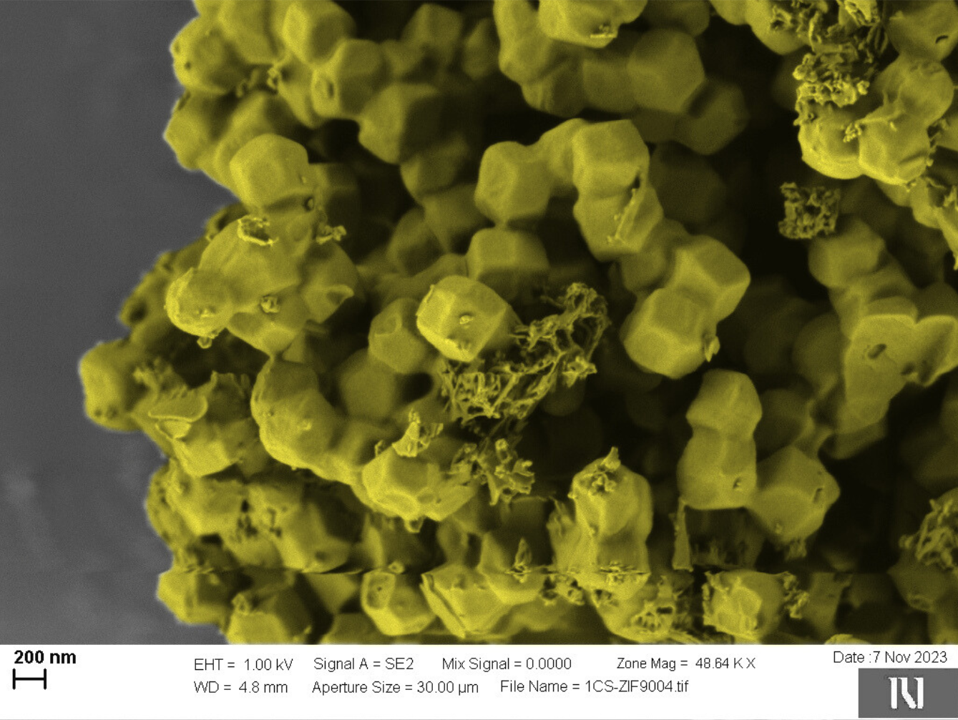
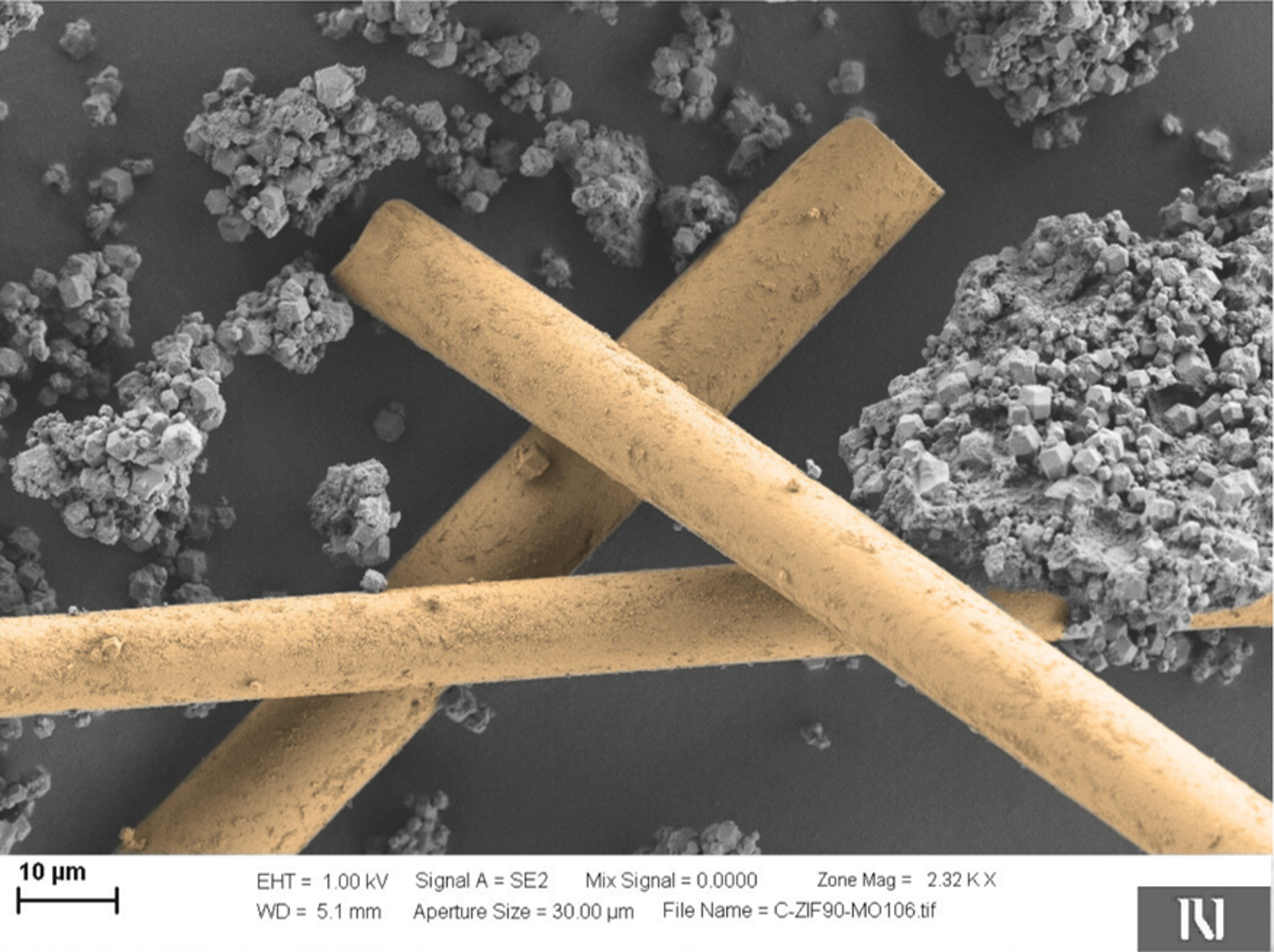
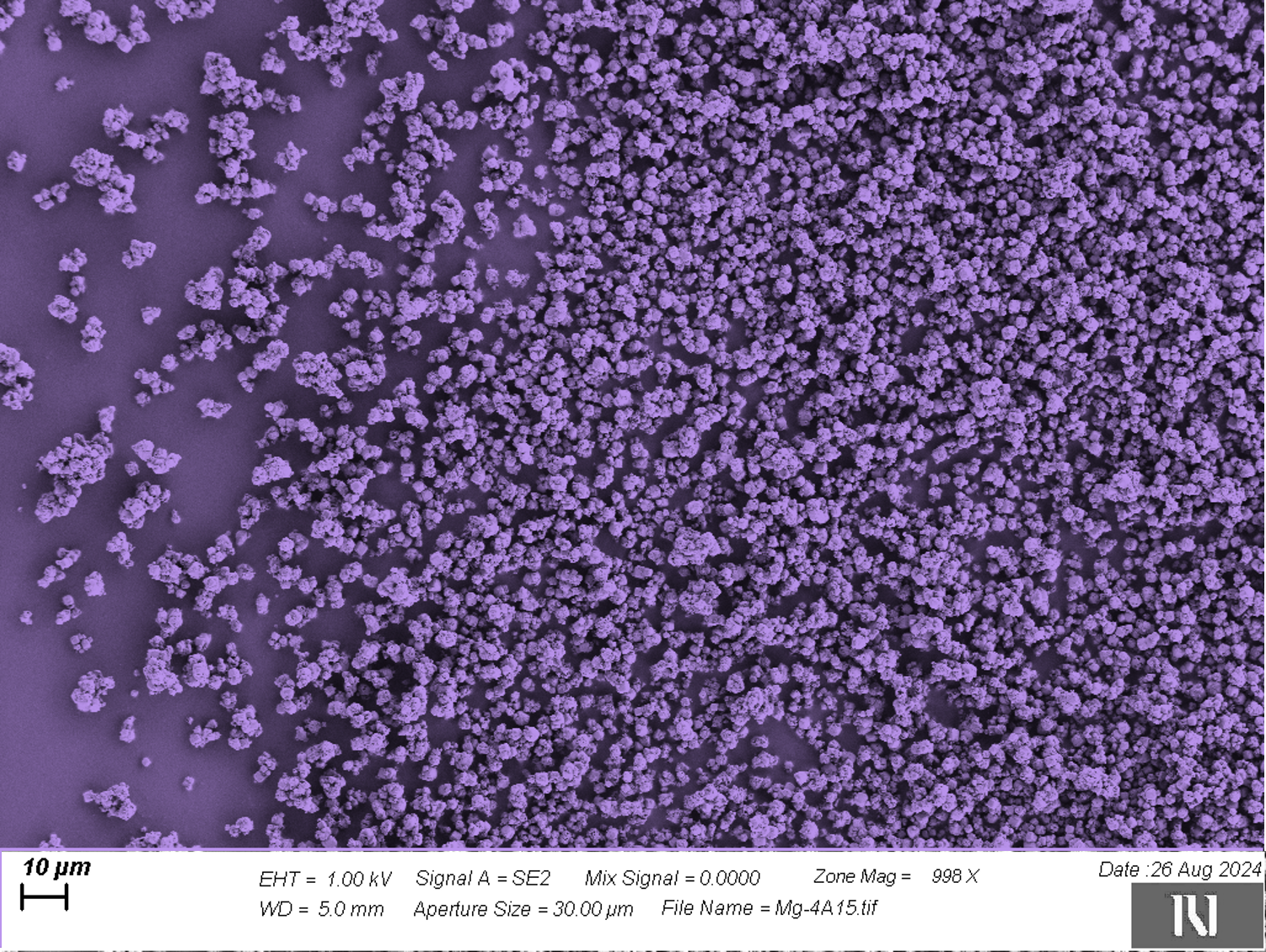
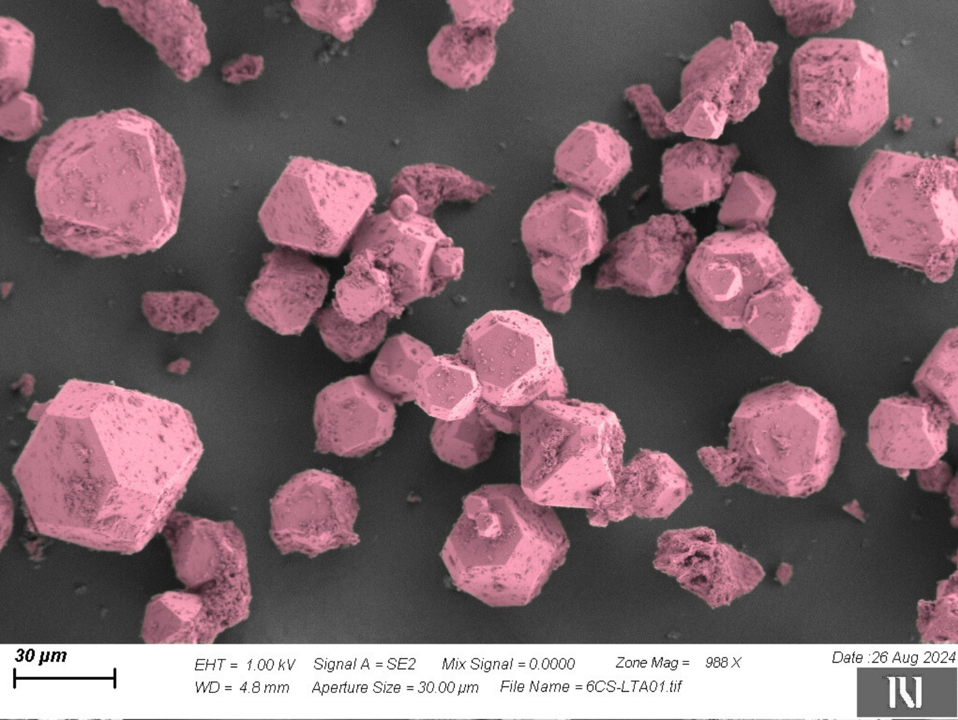
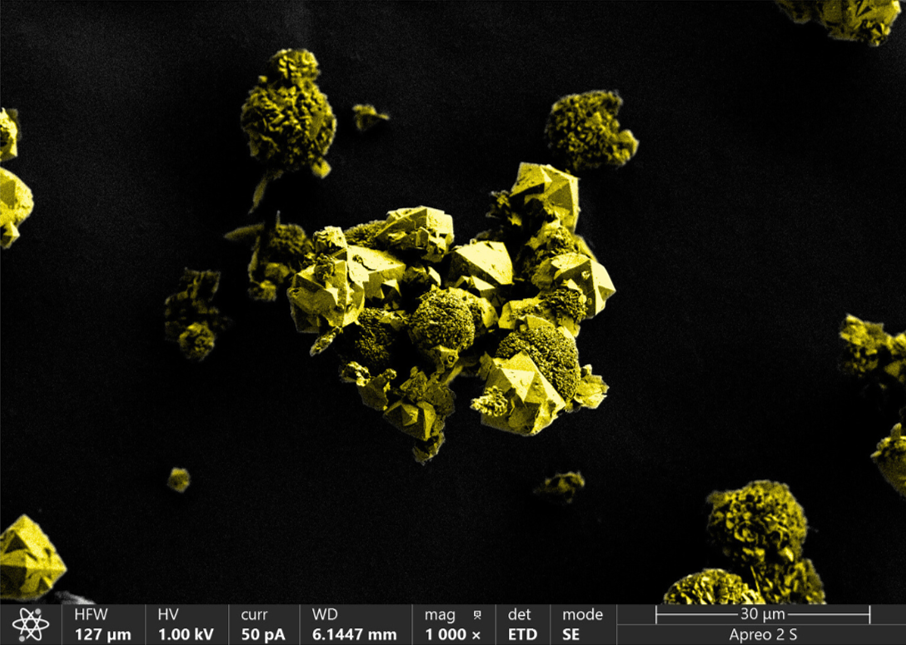
SEM imaging reveals MOFs with various structures and morphologies, highlighting their design flexibility.
2. Composites
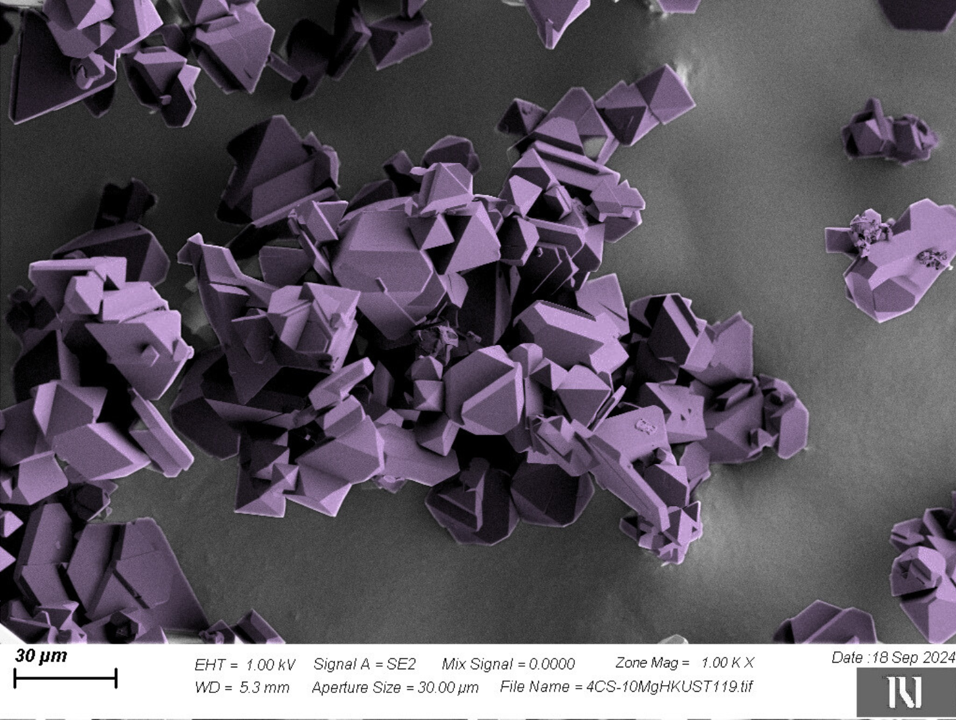
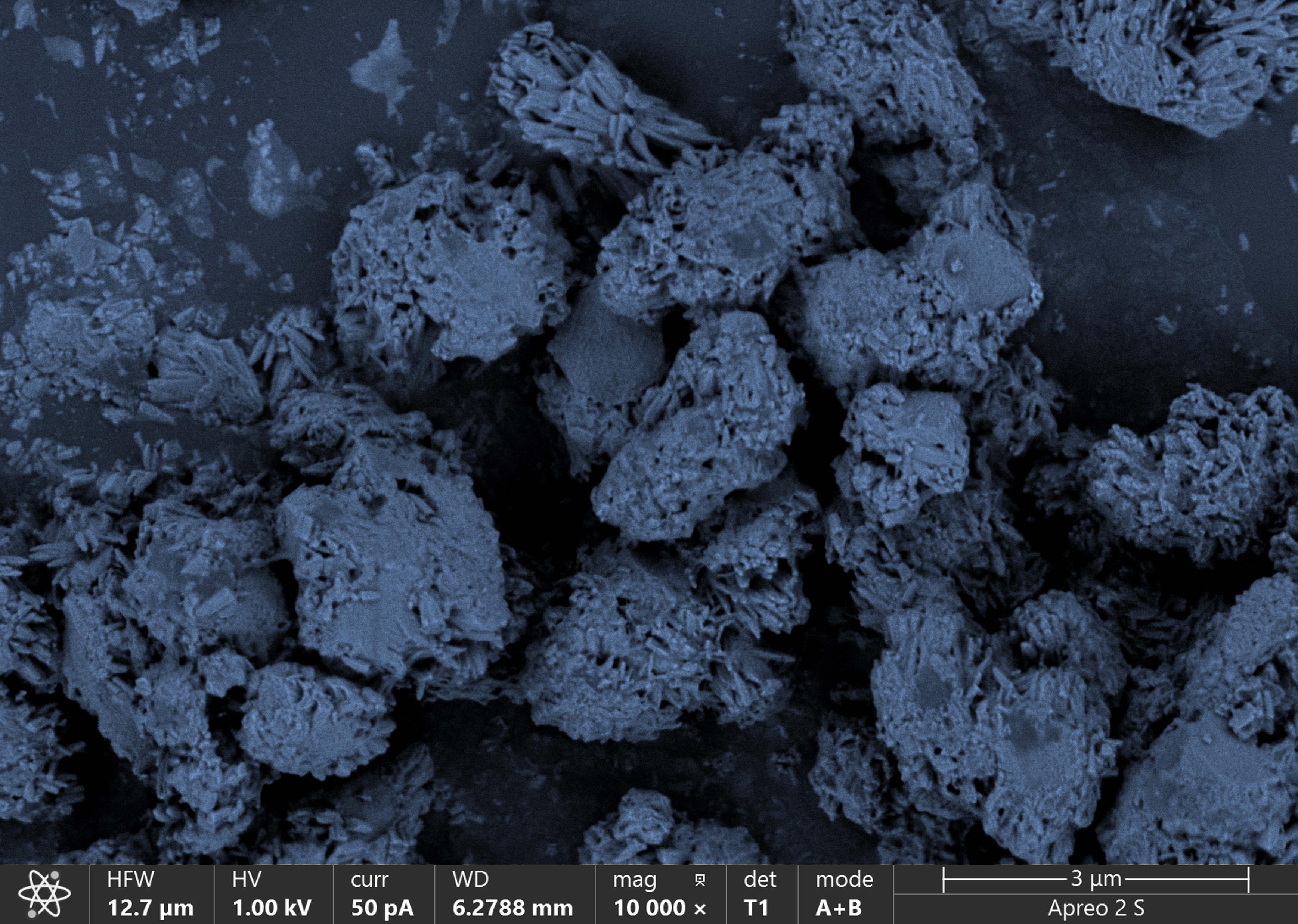
Composites in the Muspell project are developed using MOFs as precursors, although MOFs can also be used as supports. This class of materials reacts with water at temperatures between 125 and 140 °C, forming magnesium hydroxide (Mg(OH)₂) and releasing heat in the process.
3. Zeolites
Zeolites are microporous, three-dimensional sodium aluminosilicate materials widely used in adsorption, catalysis and ion exchange applications. They occur naturally, but can also be synthetically produced. Synthetic zeolites with high aluminium content are mainly used in detergents as water softeners.
Because they are strong hydropholic adsorbents, zeolites are suitable candidates for medium-temperature heat storage. The zeolites made in the Muspell project were synthesised using green synthesis methods from raw aluminosilicates, to reduce the environmental impact.
4. Mixed Metal Hydroxides
Mixed metal hydroxides consist of two or more metal cations combined with hydroxide groups in a single solid phase. These materials are usually produced using co-precipitation synthesis, a process in which a base is added to adjust the pH of mixed metal salt solutions.


This project has received funding from the European Union’s Horizon Europe EIC Pathfinder Challenges and from the Swiss Secretariat for Education, Research and Innovation (SERI) under grant agreement No. 101114987.


.svg)